Unified inboxes, streams and augmentation
The idea of a unified inbox for government is not a new one. Many governments around the world have developed one, as have public organisations like the National Health Service in England, which has a unified inbox for patients. Many commercial services, like banks, have them too.
Rather than seeing unified inboxes as a desirable end state, I argue that we should see them as a staging post to something else and a tool to further unbundle services. And that, long-term, we will come to see them as representing a missed opportunity.
In The Baroque Cycle — Neil Stephenson’s fictionalised historical epic about the birth of modern science, finance, and empire — Isaac Newton installs himself as Master of the Royal Mint. Among Newton’s aims in taking the job is the discovery of “The Philosophick Mercury”, a substance which can convert base metals and lead to immortality, and which he believes will be found within a special type of heavier-than-normal gold (in the world of The Baroque Cycle, where there’s the subtext that alchemy actually works). It is the time of the Great Recoinage, when all England’s coins will be re-minted to reduce forgery. As all the coins of England, and bullion from the New World, stream through the Mint, he is able to sample and monitor the world’s gold supply in search of Philosophick Mercury.
We should view unified inboxes as an important first step in creating a single stream of information that allows us to pivot to something new.
Messages contain meaning. A message might be about an appointment, a decision, a summary of a conversation, or a payment. They may contain many of those in a single message.
We should see a unified inbox as a first step to unbundling those sorts of fundamental units of service so they can be represented in their own right.
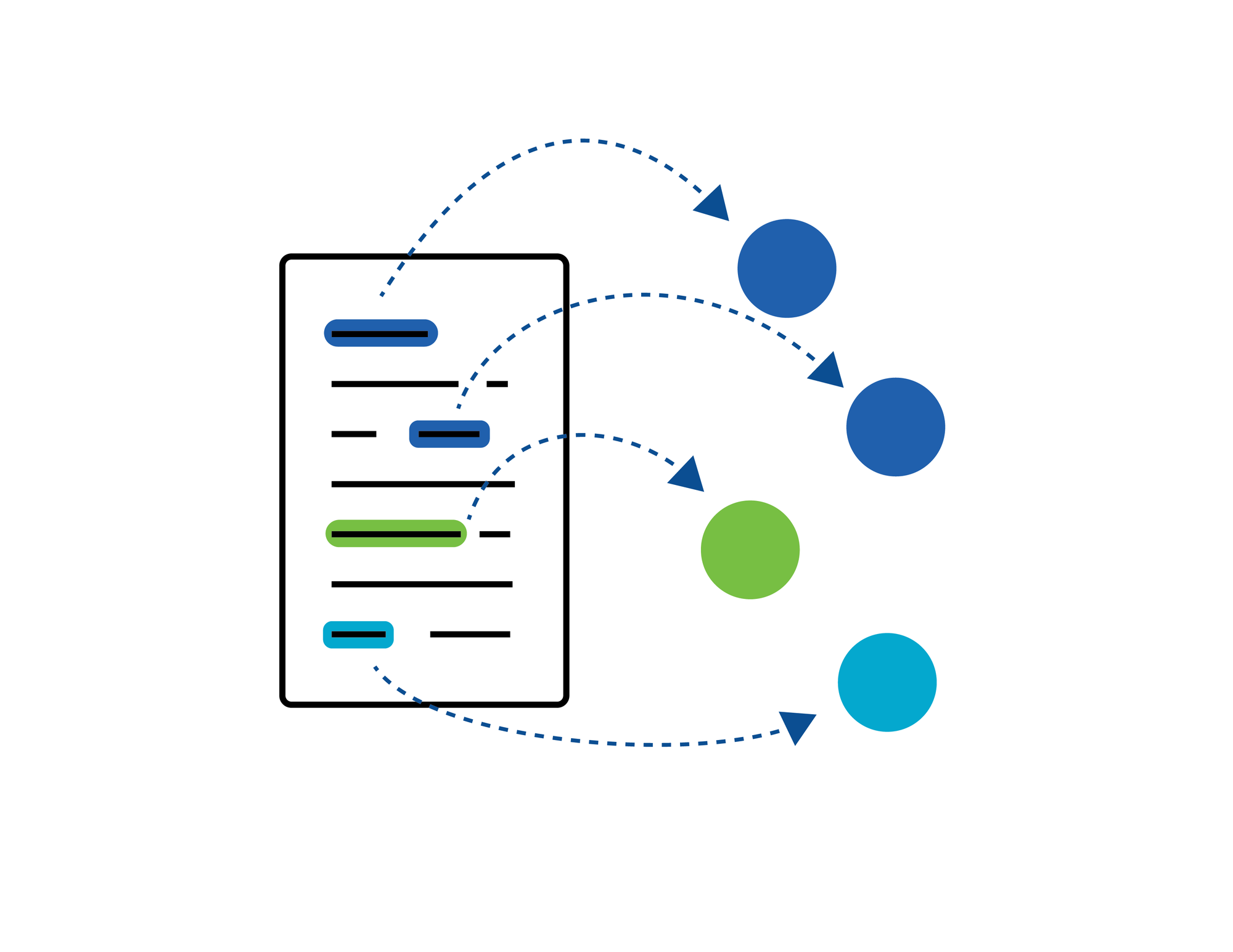
The other thing you can do once everything is in one place is start to augment. If, rather than messages, we consider a stream-based approach to appointments, I’ll explain what I mean.
At its simplest, an appointment contains information about something happening at a time and place (if we accept that time and place can be fuzzy concepts, including “the afternoon” or “online”). Getting that basic information in one place may not be that exciting on its own (calendars, after all, already exist). But it is how you can start to augment that information, once you have control over that stream, that is most interesting.
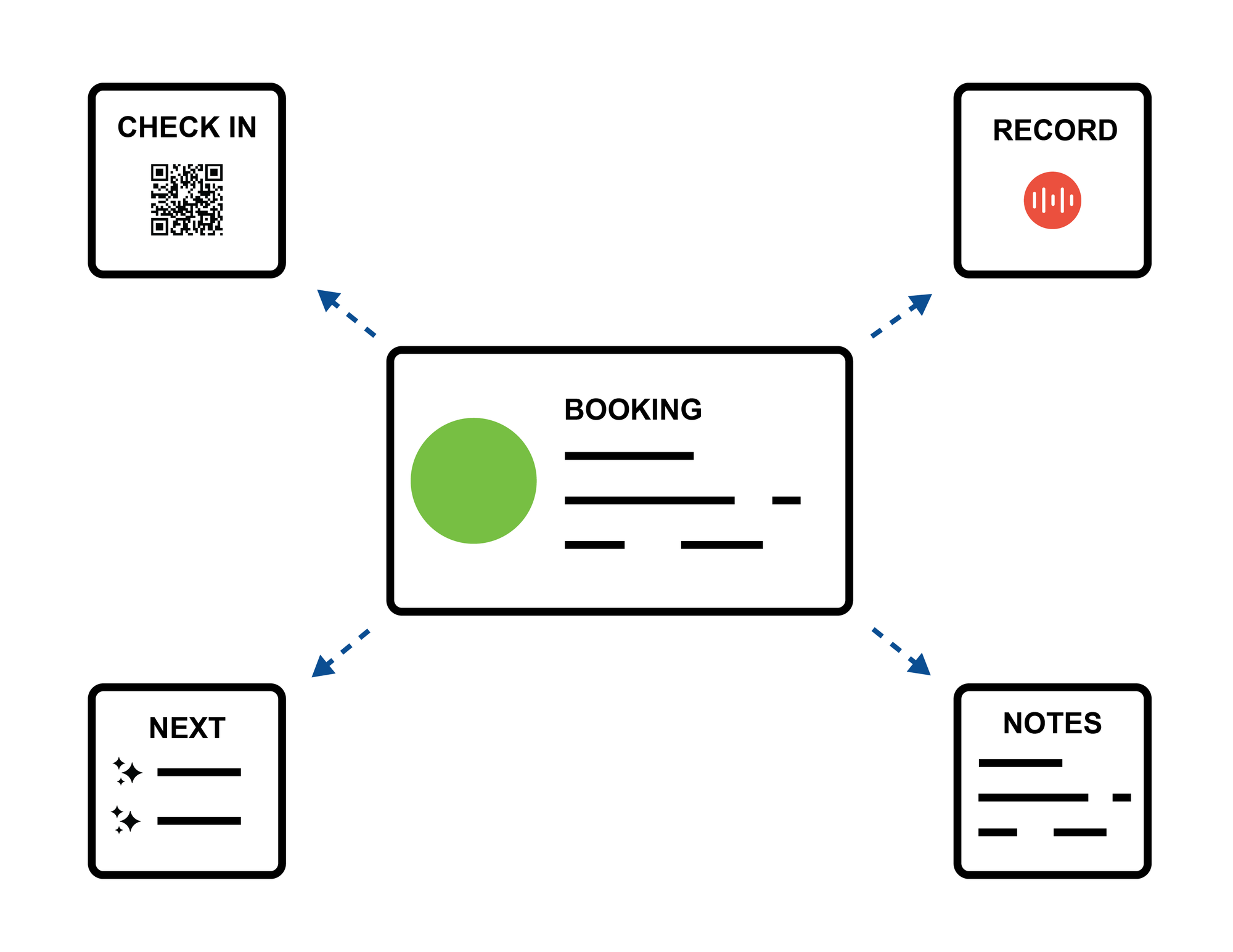
That’s because a booking (or a decision, or a summary, or a payment) is a social object. It represents a hook for further interactions and relationships.
So, some bookings might start to get little red dots or buttons next to them to indicate that you can do something. That might include suggesting a quicker way to interact (for example, changing from an in-person medical consultation to an online one). It might link to a checklist to be completed before attending. It might provide a QR code to speed up arrival (for example, when verifying your identity at a driving test). After the booking, it might provide links to notes and suggest next steps.
But those things are often only practical if you do the first step of getting everything in one place.